
How you make money
Equity growth
Build, lease up, and sell to an institutional buyer
MMI builds 316 Class A units on a permitted site, leases them up and sells in month 37. LPs get a 10% accrued preferred return and their capital back before any split with MMI, and MMI funds 10% of the common equity alongside them on the same terms.
2.06x
Equity multiple
26.4%
Target IRR
37 mo
Hold period
Sale
Exit strategy
How the offering works
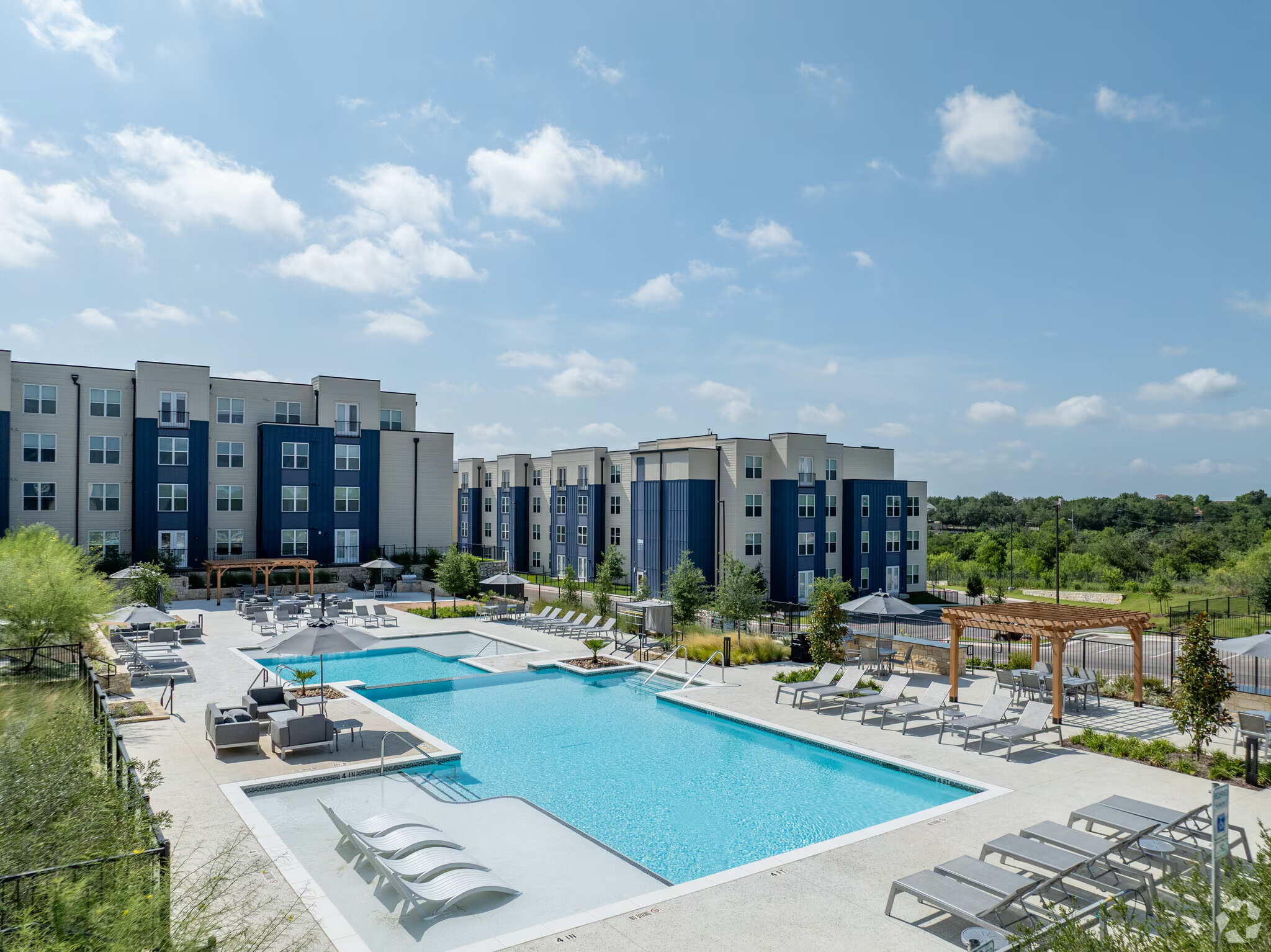
MMI builds a 316-unit Class A community of three four-story, elevator-served buildings on 9.74 permitted acres near Orlando International Airport. Construction runs 24 months, the last building opens in month 30 and the property stabilizes by month 36. MMI sells in month 37. LP capital earns a 10% preferred return that accrues to the sale and gets its capital back next. The remaining profit splits 75% to LPs and 25% to MMI, flat.
Three years of few new starts are setting up a supply gap
Rate hikes since 2022 stopped most new apartment starts. Projects take two and a half to three years to deliver, so units started now should arrive as the oversupply from the last build wave is absorbed and the market tightens.
Every permit is in hand, so building can start at once
Zoning and the final site plan are approved by the City of Orlando. The water-management and site-work permits are issued, and the vertical permits have been reviewed and approved by the Private Provider and can be issued in 30 to 45 days under Florida's private-provider statute. A Phase I environmental report found no issues.
Sell in month 37 at a cap rate above every recent comparable sale
The base case sells at a 5.75% cap rate, 22 basis points above the highest of eight Class A Orlando sales since 2024, for about $114.4M ($362,143 a unit). The property targets a 6.78% return on cost at stabilization. That returns a target 2.06x multiple and 26.4% IRR to LPs.
About the sponsor
~3,000
units completed
27 yrs
developing since 1999
0
investor capital lost
Orlando developer of Class A apartments, founded in 1999 by Michael Wright, a real estate lawyer. Nearly 3,000 units completed. MMI manages what it builds through its own company, MMI MGT, and has never lost investor capital.
Zero loss of investor capital, every preferred return paid and no foreclosures since 1999, as reported by MMI.

Michael E. Wright
Founder & President
Founded MMI in 1999 after 20 years practicing real estate law. Nearly 3,000 units completed, 2,000 more in planning.
What you should know
What are the risks?
- Target returns rely on underwriting assumptions and are not guaranteed. Investors could lose some or all of their capital.
- Construction cost overruns or delays would push back the sale and lower returns.
- The targets use ApartmentIQ's base rent forecast, its middle published case, with rents at the highest current rent in the submarket for each unit type ($2,011 for a one-bedroom, $2,461 for a two-bedroom) and no premium on top. If rents or lease-up come in below plan, the sale price and LP returns would fall.
- Returns depend on the exit cap rate. The targets assume a 5.75% cap, above every sale in the comparable set. At a 6.00% cap, the target LP multiple drops from 2.06x to 1.81x.
- Senior debt and preferred equity are repaid before LPs. Those costs grow if the sale is delayed.
- This is an illiquid investment. Capital stays in until the sale, planned for month 37.
How is the project funded?
Total cost is about $93.4M: a $54.2M senior construction loan and $25.2M of preferred equity, both from Galaxy Realty Capital, plus $14.0M of LP and sponsor common equity. MMI and its long-standing investor group fund 10% of that common equity, alongside LPs on the same terms. Galaxy is repaid at the sale and keeps no share of the profit.
Where does my money sit before construction starts?
With a third-party escrow agent. Nothing is released until the construction loan closes, and at release the funds go straight into the lender-controlled construction draw.
When do investors get paid?
At the sale, planned for month 37. The 10% preferred return accrues from funding and is paid first, then LP capital is returned. The remaining profit splits 75% to LPs and 25% to MMI, flat, with no hurdle. There are no distributions during construction.
Does MMI invest its own money?
Yes. MMI and its long-standing investor group have committed $1.40M, 10% of the common equity, and invest on the same terms as LPs.
Is this a build-to-hold deal?
Maybe. MMI holds some of its other properties long term, but this one is planned as a build-and-sell. The plan is to sell about a month after the property stabilizes. If the property performs well and outstrips what we underwrote, we may ask the partners to decide whether they want to hold and receive distributions instead. That will be decided based on market metrics when it comes time to sell.
Who manages the property after it is built?
MMI's own management company, MMI MGT, runs the property through lease-up and the sale. It also manages Progress Village in Tampa and Progress at Tech Ridge in Austin.